Pastel Curve: The Versatile Creative Font for Modern Designs
There’s a certain magic in the way a font can shape the entire feel of a project. It’s not just about the letters themselves, but the personality they carry, the mood they set, and the message they silently communicate. When you’re working on a design that needs to feel approachable, contemporary, and full of character, your choice of typeface becomes one of the most critical decisions you’ll make. This is where a premium font like Pastel Curve enters the conversation, offering a distinct blend of softness and modern structure that can elevate a wide range of creative work.
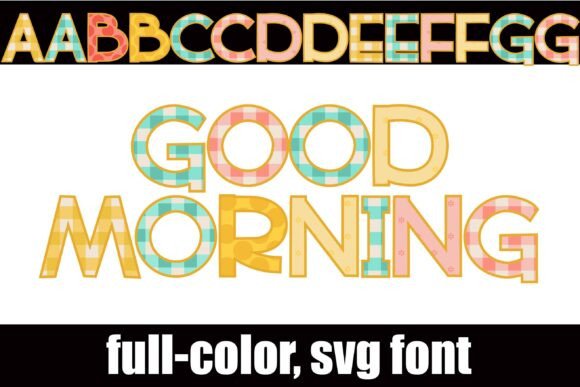
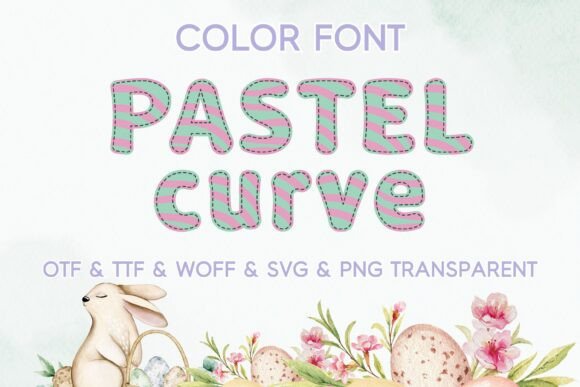
At its core, Pastel Curve is a display font with a clear, modern sensibility. Its visual characteristics are defined by smooth, flowing curves and a gentle, rounded form that feels both friendly and sophisticated. It doesn’t shout for attention with sharp angles or heavy strokes; instead, it draws the eye with a confident, clean presence. The personality of this typeface is one of accessible creativity—it feels handcrafted yet polished, making it an excellent choice for projects that aim to connect on a personal level while maintaining a professional edge. It’s the kind of creative font that feels right at home in a brand identity system for a boutique bakery, a wellness app, or a contemporary lifestyle blog.
Where Pastel Curve Truly Shines: Practical Applications
The real value of a display font like Pastel Curve is measured by its versatility across different mediums and project types. Its balanced aesthetic makes it a strong contender for both digital and print design applications.
For logo design and brand identity, this typeface can serve as a primary logotype for brands that want to appear modern, trustworthy, and approachable. Its clarity ensures it remains legible even at smaller sizes on business cards or website headers. In packaging design, the font’s curves can complement organic product lines, artisanal goods, or beauty products, adding a touch of elegance without feeling sterile. Imagine it on a coffee bag label or a candle box—it immediately sets a specific, inviting tone.
Within editorial design and publishing, Pastel Curve can be used for pull quotes, chapter titles, or section headers in magazines and books. It provides a visual break from body text set in a standard serif or sans serif font, adding a layer of visual interest and guiding the reader’s eye. For web design and social media graphics, its modern look translates perfectly. Use it for call-to-action buttons, promotional banners, or Instagram story highlights. The font’s inherent friendliness can increase engagement, making a call to “Learn More” or “Shop Now” feel more like a suggestion than a demand.
Building a Cohesive Visual Language with Font Pairing
A single font rarely works in isolation. Understanding how to pair Pastel Curve with other typefaces is key to building a flexible and effective typography system. Because it functions as a display or headline font, it typically pairs best with a more neutral, highly readable body text font.
A classic pairing strategy is to combine it with a clean sans serif font like Montserrat, Lato, or Open Sans. This creates a clear hierarchy where Pastel Curve commands attention for headlines, and the sans serif delivers information clearly in paragraphs. For a different feel, pairing it with a traditional serif font like Garamond or Merriweather can create a more sophisticated, editorial contrast. The soft curves of the display font play against the structured, timeless elegance of the serif.
Avoid pairing it with another strong script font or handwritten font, as this can create visual competition and reduce readability. The goal is to let each typeface serve its purpose—Pastel Curve for impact and personality, and its partner for clarity and flow.
Making an Informed Choice for Your Project
Choosing any creative font involves more than just picking one that looks nice. You need to evaluate if it fits the project’s goals, audience, and context. Start by considering the emotional tone you need to convey. Does your project require a feeling of warmth, innovation, simplicity, or luxury? Pastel Curve leans toward warmth and modern simplicity.
Next, consider readability. While Pastel Curve is designed for clarity as a display font, always test it in the context of your design. View it at the intended size, on the intended medium—whether that’s a mobile screen, a printed brochure, or a product label. A font that looks stunning in a large headline might need careful kerning adjustments for a smaller subheading.
The package that comes with a premium font like this is also a practical consideration. The inclusion of OTF, TTF, and WOFF files ensures compatibility across all design software and web platforms. Having SVG and high-resolution PNG files at 300ppi is a significant advantage for crafters and designers who work with digital cutting machines or need to integrate the font as a graphic element without installing it. This flexibility is invaluable for creating consistent design assets.
Finally, always review the commercial font licensing. Understanding the terms is crucial, especially if you plan to use the font for client work, merchandise for sale, or large-scale distribution. A clear license allows you to use the font confidently across t-shirt designs, mug designs, digital products, and physical goods without future complications.
In the end, a typeface is a tool. A tool like Pastel Curve